How to Choose Timberland Loafers, Field Boots & Winter Timberlands

Selecting the right footwear comes down to fit, intended activity, and seasonal demands.
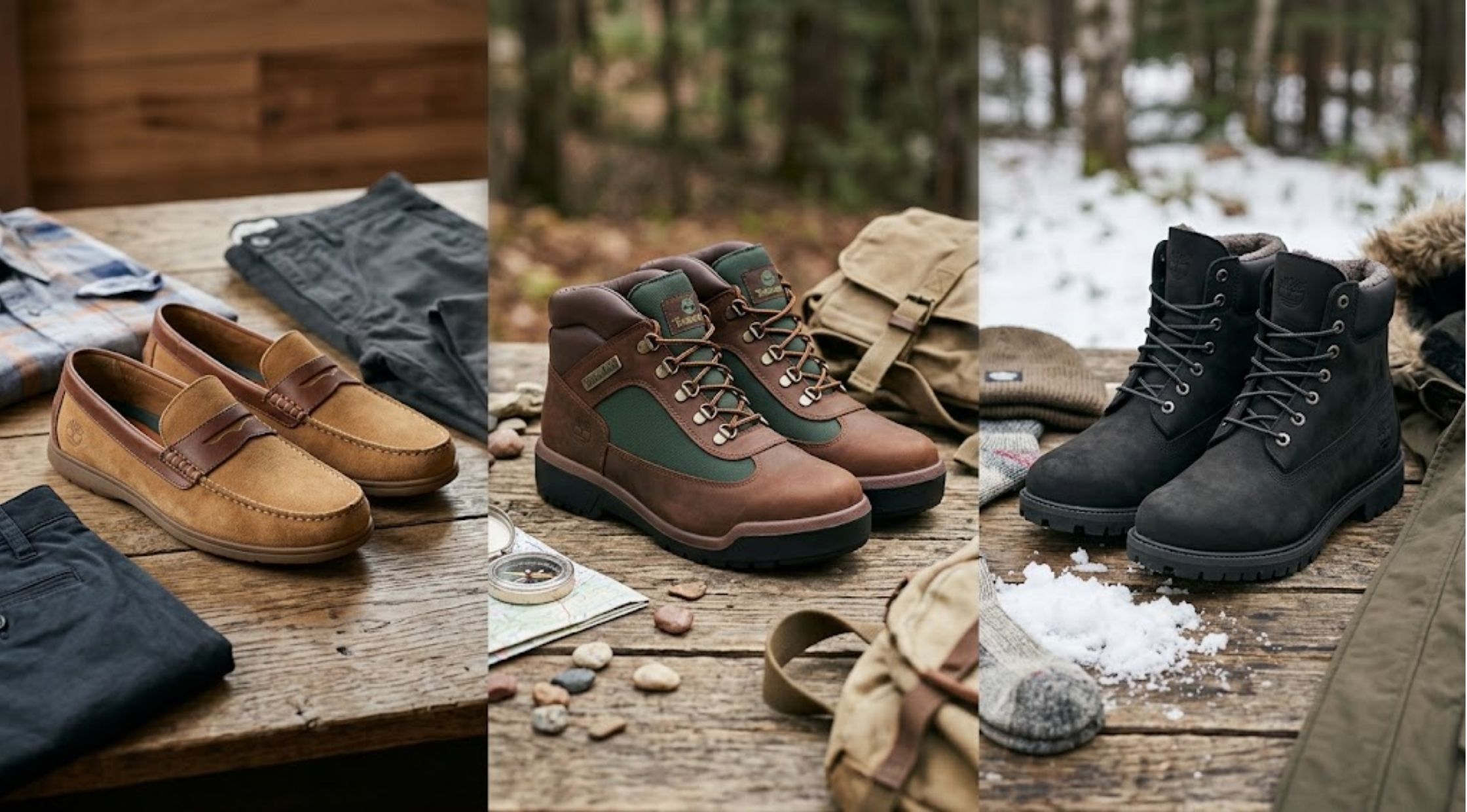
Selecting the right footwear comes down to fit, intended activity, and seasonal demands. Whether you need casual slip-ons, rugged outdoor gear, or insulated cold-weather protection, understanding the differences between Timberland loafers, field boots, and winter boots ensures long-term comfort and durability.
1. Timberland Loafers: Casual & Smart-Casual Versatility
Timberland loafers serve as a low-profile alternative to dress shoes. They feature slip-on construction, soft leather or suede uppers, and cushioned footbeds suitable for everyday wear, office settings, and social outings.
Key Selection Considerations
- Size & Fit: Loafers should feel snug around the heel without slipping, yet roomy enough in the toe box to prevent pinching.
- Sole & Cushioning: Look for shock-absorbing EVA footbeds and rubber lug outsoles for traction on urban surfaces.
- Breathability: Unlined or fabric-lined leather uppers allow airflow during spring and summer months.
Styling & Wardrobe Pairing
- Casual Look: Pair neutral brown or tan loafers with straight-leg denim, chinos, and a simple t-shirt or polo.
- Smart-Casual: Style dark leather or suede loafers with tailored trousers and an unbuttoned oxford shirt.
2. Timberland Field Boots: Outdoor & All-Terrain Performance
Timberland field boots feature a hybrid design combining durable waterproof leather with high-denier nylon side panels. They are built for hiking, light work, and rugged everyday use in transitional weather (fall and spring).
Key Selection Factors
- Traction: Deep rubber lug outsoles provide grip on mud, loose dirt, and uneven terrain.
- Waterproofing: Integrated waterproof membranes or sealed seams keep feet dry in damp conditions.
- Ankle Support: Mid-to-high collar cuts stabilize the ankle during outdoor activities.
Step-by-Step Break-In Protocol
- Wear Proper Socks: Always wear medium-to-heavy mid-calf socks designed for boots to prevent friction hotspots.
- Short Initial Wear Sessions: Wear the boots around the house or on short 15–30 minute errands for the first 3–5 days.
- Gradual Progression: Slowly increase wear time before committing to full-day hikes or long outdoor work shifts.
- Evaluate Fit: If persistent pressure points remain after two weeks, verify if the boot width or size is incorrect rather than forcing further break-in.
3. Men's Winter Timberlands: Cold-Weather & Snow Protection
Winter Timberland boots (such as the classic 6-Inch Premium Waterproof Boot or specialized snow boots) prioritize thermal insulation, waterproofing, and high-traction outsoles for freezing temperatures, slush, and snow.
Essential Winter Features
- Insulation: Look for 200g to 400g Primaloft® insulation to retain body heat in sub-freezing conditions.
- Sealed Waterproofing: Premium nubuck or full-grain leather with direct-attach waterproof construction keeps slush out.
- Winter Traction: Specialized rubber compound outsoles stay flexible in sub-zero temperatures to grip ice and hard-packed snow.
Winter Styling
- Pair winter boots with heavy-grade denim, fleece-lined cargo pants, or wool trousers.
- Complete the outfit with layered outerwear—such as a parka, puffer jacket, or heavy wool coat—to balance the heavy visual weight of the boots.
4. Timberland Footwear Comparison
|
Feature / Metric |
Timberland Loafers |
Timberland Field Boots |
Men's Winter Timberlands |
|
Primary Season |
Spring / Summer / Mild Fall |
Fall / Spring / Mild Winter |
Winter / Cold & Wet Conditions |
|
Upper Materials |
Full-grain leather, suede |
Leather & Canvas/Nylon mesh |
Waterproof nubuck, insulated leather |
|
Water Resistance |
Low to Water-Resistant |
High (Waterproof membrane) |
Maximum (Sealed waterproof) |
|
Outsole Type |
Flexible rubber driving/moccasin sole |
Heavy-duty rubber lug outsole |
Deep cold-resistant traction lugs |
|
Sizing Consideration |
True-to-size (wear with thin socks) |
Consider +0.5 size for thick trail socks |
Consider +0.5 size for heavy wool socks |
5. Cleaning, Sizing, & Maintenance Checklist
Sizing Tips Across Models
- Try On Late in the Day: Feet naturally swell throughout the day; fitting boots in the late afternoon prevents buying a size too small.
- Account for Socks: Match your boot fitting to the exact sock thickness you plan to wear during that season (e.g., thin dress socks for loafers vs. heavy merino wool for winter boots).
Routine Maintenance Schedule
- Surface Cleaning: Wipe away dirt, salt, and mud using a soft brush or damp cloth immediately after outdoor use.
- Conditioning & Care: Apply nubuck/suede cleaner or leather conditioner periodically to prevent cracking and maintain water repellency.
- Natural Drying: If footwear gets soaked, remove the insoles and allow them to air dry at room temperature. Never place boots near radiators or direct heat sources, as extreme heat shrinks and cracks leather.
- Storage: Store in a cool, ventilated space using shoe trees for loafers to maintain shape.
Final Thoughts
The ideal pair of Timberlands depends entirely on your climate, terrain, and daily activities. Choose loafers for lightweight smart-casual wear, opt for field boots when tackling outdoor trails and transitional weather, and invest in insulated winter boots when navigating snow, slush, and freezing temperatures. Proper sizing and routine leather care will keep your footwear performing for years.
Recent Blogs
-

How to Choose Women’s Workout Clothes That Balance Comfort and Style
-

Why Elavate Multi-Collagen Superblend Stands Out for Daily Wellness
-
Premium Sunglasses, Eyeglasses and Jewelry for Distinctive Style
-
How to Choose Timberland Loafers, Field Boots & Winter Timberlands
-

Benefits of Body Oil: How to Choose the Right One for Soft, Healthy-Looking Skin